
As I wandered through the vibrant farmer’s market last weekend, the bright greens and colorful produce called to me, promising warmth and freshness. That’s when I thought of my Spring Vegetable Pasta, a dish that truly captures the essence of this beautiful season. With a medley of tender asparagus, sweet peas, and juicy cherry tomatoes dressed in a light, garlic-infused olive oil sauce, this healthy vegetarian meal is both quick to prepare and a feast for the eyes. Whether you’re cooking for a cozy dinner or a lively gathering, this simple recipe delights with every colorful bite. Are you ready to usher spring into your kitchen with this delicious dish?
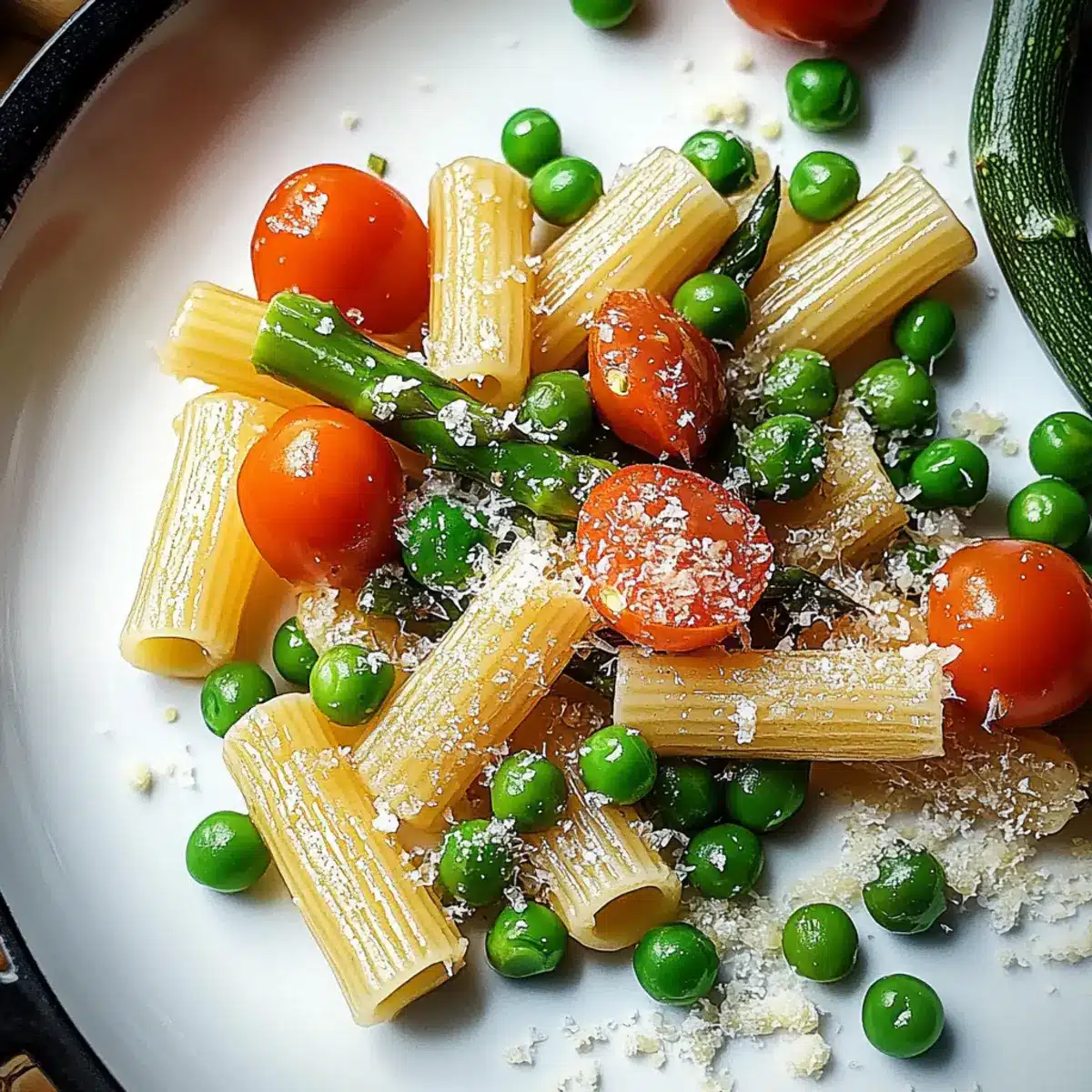
Why is Spring Vegetable Pasta a Must-Try?
Freshness: Experience the vibrant essence of spring with seasonal veggies like asparagus and peas, making every bite a celebration of flavor.
Quick & Easy: In just 40 minutes, this nutritious dish comes together effortlessly, perfect for busy weeknights or last-minute gatherings.
Flavorful Sauce: A simple garlic-infused olive oil sauce elevates the pasta and veggies, creating a light dish that never compromises on taste.
Versatile: Easily customizable, you can swap in your favorite veggies or pasta types, even making it gluten-free or dairy-free, ensuring there’s something for everyone!
Crowd-Pleaser: Whether you’re serving friends or family, this colorful dish adds a beautiful touch to any table and is sure to impress. If you’re looking for more fresh ideas, check out this delicious Vegetable Pot Pie for a cozy option!
Spring Vegetable Pasta Ingredients
For the Pasta
• Pasta – Choose your favorite type like spaghetti, penne, or farfalle for a hearty base.
For the Sauce
• Olive oil – The essential flavor carrier that helps sauté the vegetables and enhances taste.
• Onion (diced) – Adds depth and sweetness; sauté until translucent for the best flavor.
• Garlic (minced) – Infuses a beautiful aroma; add it just before the veggies to prevent burning.
For the Vegetables
• Asparagus (chopped) – Offers a fresh, earthy flavor with a satisfying crunch; cook until slightly tender.
• Peas – These sweet little bursts of flavor balance the richness of the olive oil sauce.
• Zucchini (sliced) – Provides a mild sweetness, cooking quickly to perfectly complement the other veggies.
• Cherry tomatoes (halved) – Give a juicy, tangy contrast; cook them just until softened.
For Finishing Touches
• Fresh basil (chopped) – A fragrant herb that adds a vibrant touch; mix it in at the end for maximum flavor.
• Grated Parmesan cheese – Melts beautifully into the dish, enhancing the overall umami richness.
• Salt – Essential for boosting the natural flavor of all the ingredients.
• Black pepper – A hint of mild heat to round out the dish perfectly.
• Red pepper flakes (optional) – Introduce a gentle spice; adjust to your preferred heat level.
• Vegetable broth – Ties everything together into a light sauce, usable with chicken broth as a substitute.
• Lemon juice – Adds a bright finish; stir it in just before serving to uplift the dish’s flavors.
Step‑by‑Step Instructions for Spring Vegetable Pasta
Step 1: Boil the Pasta
Begin by filling a large pot with water and adding a generous amount of salt. Bring the water to a rolling boil over high heat. Once boiling, add your favorite pasta—spaghetti, penne, or farfalle—and cook according to package instructions until al dente, usually about 8-10 minutes. This step lays a hearty base for your Spring Vegetable Pasta.
Step 2: Sauté the Onions
While the pasta is cooking, heat a large skillet over medium heat and drizzle in about two tablespoons of olive oil. Once hot, add the diced onions and sauté for 3-4 minutes, stirring frequently until they become soft and translucent. The aroma as they cook will signal that it’s time to move on to the next step.
Step 3: Add the Garlic
Next, stir in the minced garlic and cook for an additional 30 seconds, just until fragrant. Be careful not to let the garlic brown, as it can become bitter. This delicious garlic aroma sets the perfect foundation for the spring vegetables that follow in your Spring Vegetable Pasta.
Step 4: Incorporate the Asparagus
Add the chopped asparagus to the skillet, cooking for about 2-3 minutes while stirring occasionally. You’ll notice the vibrant green color and a slight tenderness developing. This step not only enhances the flavor but also adds a satisfying crunch to your dish.
Step 5: Mix in the Peas and Zucchini
Now it’s time to add the sweet peas and sliced zucchini. Sauté these vegetables for an additional 3-4 minutes until they are tender but still vibrant. Stir frequently to ensure even cooking. The medley of colors will start to resemble a beautiful spring garden, making the Spring Vegetable Pasta truly inviting.
Step 6: Add Cherry Tomatoes
Stir in the halved cherry tomatoes, cooking for about 2 minutes until they soften slightly. The juicy tomatoes will burst and release their sweetness, creating a beautiful contrast in flavor. This colorful addition should fill your kitchen with a delightful aroma as they meld with the other veggies.
Step 7: Season the Mixture
Once the vegetables are perfectly cooked, season the mixture with salt, black pepper, and red pepper flakes if you like a touch of heat. Stir well to combine all the flavors. This step is essential in enhancing the overall taste of your Spring Vegetable Pasta, so taste and adjust the seasoning to your preference.
Step 8: Add the Broth
Pour in the vegetable broth and bring the mixture to a gentle simmer for 2-3 minutes. This will create a light sauce that beautifully ties together the vegetables, enriching the dish’s flavors. Look for the broth to bubble softly, indicating it’s ready for the next step.
Step 9: Combine with Pasta
Once the pasta is al dente, drain it, reserving 1/2 cup of the pasta water. Add the drained pasta directly into the skillet, tossing it with the vegetable mixture. If the pasta seems dry, gradually add a splash of the reserved pasta water to achieve your desired consistency.
Step 10: Finishing Touches
Finally, mix in the freshly chopped basil, grated Parmesan cheese, and a splash of lemon juice. Toss everything together until well combined and the cheese melts into the pasta, creating a creamy texture. This last step brings a burst of freshness to your Spring Vegetable Pasta.
Step 11: Serve and Garnish
Adjust the seasoning if necessary, then serve your beautiful Spring Vegetable Pasta warm. Consider garnishing with a sprinkle of extra Parmesan and some fresh basil for an appealing presentation. This colorful dish is sure to delight your family and friends at any gathering.
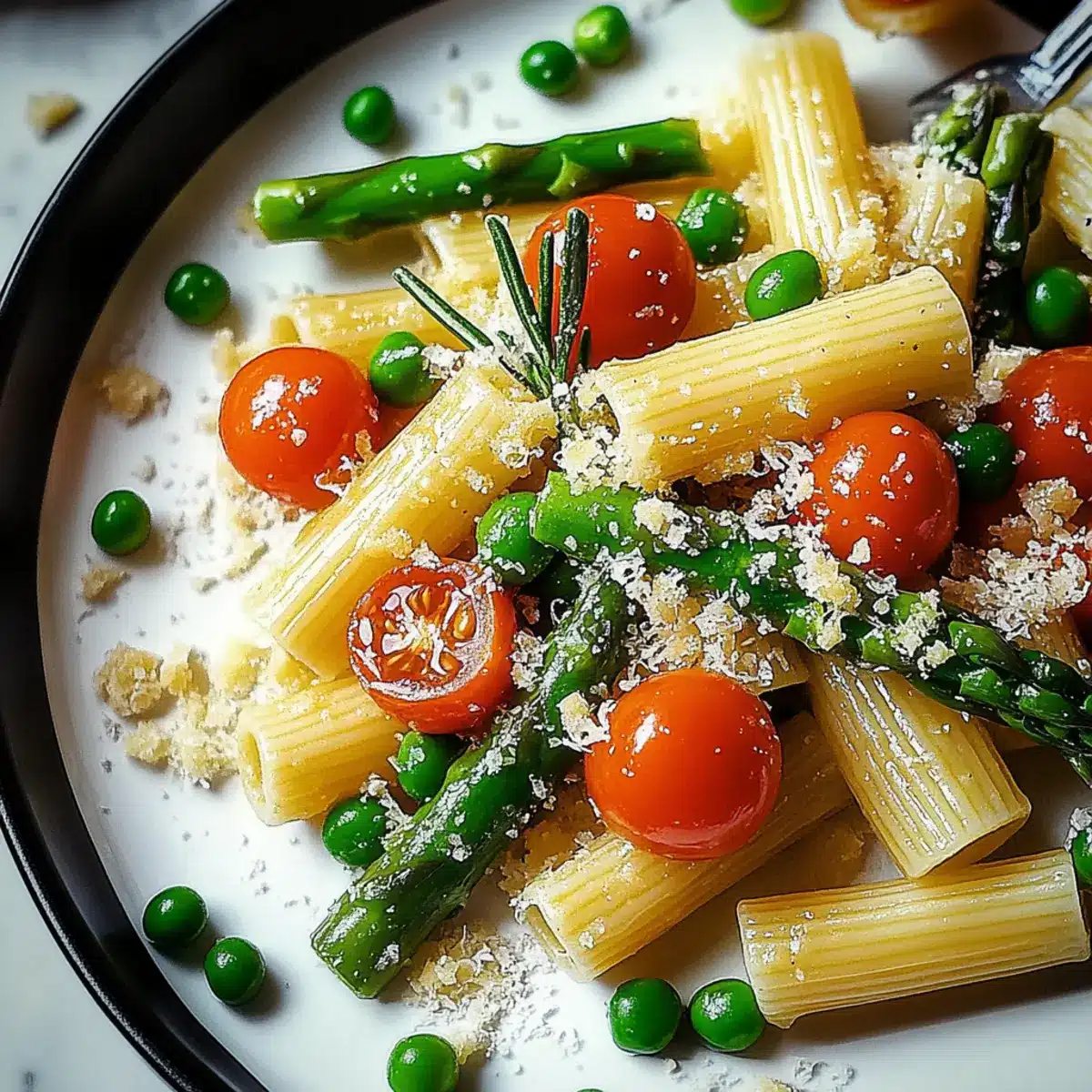
What to Serve with Spring Vegetable Pasta
Elevate your Spring Vegetable Pasta experience by pairing it with delightful accompaniments that perfectly complement its vibrant flavors.
- Mixed Greens Salad: A light, crisp salad with fresh greens and a zesty vinaigrette balances the hearty pasta perfectly, adding a refreshing crunch.
- Garlic Bread: The warm, buttery goodness of garlic bread provides a satisfying crunch, ideal for mopping up leftover sauce. It’s comfort food at its best!
- Grilled Asparagus: Bringing out the natural sweetness of asparagus, grilling adds a smoky flavor that marries beautifully with the pasta.
- Lemon Sorbet: This light and refreshing dessert cleanses the palate, allowing the fresh flavors of spring to linger longer in your memory.
- Pinot Grigio: A crisp, chilled glass pairs wonderfully, enhancing the flavors of the dish with its light acidity and ensuring a balanced dining experience.
- Roasted Vegetables: Serve a side of seasonal roasted veggies for varied textures and flavors, perfectly echoing the pasta’s freshness while adding a delightful depth.
- Chilled Cucumber Soup: A cool, creamy soup offers a refreshing start to your meal, enhancing the spring vibe while keeping the emphasis on healthy ingredients.
- Stuffed Bell Peppers: Filled with grains and spices, these colorful morsels make a fulfilling side dish that complements the pasta without overwhelming it.
- Greek Yogurt with Honey: A lovely ending that combines a tangy yogurt topped with drizzled honey can provide a sweet contrast to the savory main dish.
Make Ahead Options
These Spring Vegetable Pasta preparations are perfect for meal prep enthusiasts! You can chop the vegetables (asparagus, zucchini, and onions) and store them in an airtight container in the fridge for up to 3 days, preserving their freshness. The sauce can also be prepared in advance; simply sauté the aromatics and store it separately—this way, you can maintain that lovely garlic flavor without losing quality. When you’re ready to enjoy this dish, cook your pasta as directed, reheat the veggie mixture in a skillet, and then combine everything with fresh herbs, lemon juice, and Parmesan. In just a few minutes, you’ll have a delightful meal that saves you time on busy weeknights!
Expert Tips for Spring Vegetable Pasta
- Perfect Pasta: Cook pasta al dente for the ideal texture; it should be firm yet tender, avoiding mushiness that can ruin your dish.
- Fresh is Best: Use peak-season spring vegetables like asparagus and peas for vibrant flavors and crisp textures; frozen options can be a fallback.
- Reserve Water: Always keep some pasta water aside to adjust sauce consistency; it’s starchy and helps bind the sauce to the pasta nicely.
- Layering Flavors: Sauté onions until soft before adding garlic; this prevents burning and enhances overall depth in your Spring Vegetable Pasta.
- Customize Veggies: Feel free to mix in your favorite or seasonal veggies, making this dish versatile and tailored to your personal taste.
- Bright Finish: A squeeze of lemon juice just before serving can elevate the flavors, adding a refreshing zing that beautifully complements the dish.
How to Store and Freeze Spring Vegetable Pasta
Fridge: Store your leftovers in an airtight container for up to 3 days to maintain freshness and flavor.
Freezer: If you wish to keep your Spring Vegetable Pasta longer, transfer it to a freezer-safe container and consume within 1-2 months.
Reheating: When ready to enjoy, reheat in a skillet with a splash of vegetable broth or olive oil to restore its creamy texture and vibrant taste.
Thawing: To thaw, place in the fridge overnight before reheating, ensuring the veggies retain their quality.
Spring Vegetable Pasta Variations & Substitutions
Customize your dish to elevate its flavors and meet your dietary needs—let’s get creative!
- Gluten-Free Pasta: Substitute regular pasta with your favorite gluten-free variety, ensuring everyone can enjoy this delicious meal.
- Dairy-Free: Replace Parmesan with nutritional yeast for a savory, cheesy flavor without dairy. A delightful twist for those avoiding dairy!
- Add Greens: Incorporate a handful of fresh spinach or kale to boost nutrient content—these leafy greens make it even more vibrant.
- More Veggies: Swap out asparagus for bell peppers or broccoli, adding a different crunch and flavor profile that makes this dish unique every time.
- Herb Infusion: Experiment with different herbs! Try adding a sprinkle of thyme or oregano for an aromatic burst that pairs perfectly with spring veggies.
- Enhanced Spice: If you crave a little heat, add diced jalapeños or a pinch of cayenne pepper, inviting a wonderful kick to your pasta.
- Nutty Finish: Toss in some toasted pine nuts or walnuts before serving to add crunchy texture and nutty flavor—it’s a luxurious touch!
- Creamy Alternative: For a creamier sauce, stir in a dollop of ricotta or cream cheese at the end, making your Spring Vegetable Pasta irresistibly rich.
Don’t forget, if you’re looking for another delightful vegetable dish, the fresh flavors in this Grilled Chicken Pasta can inspire your next meal!
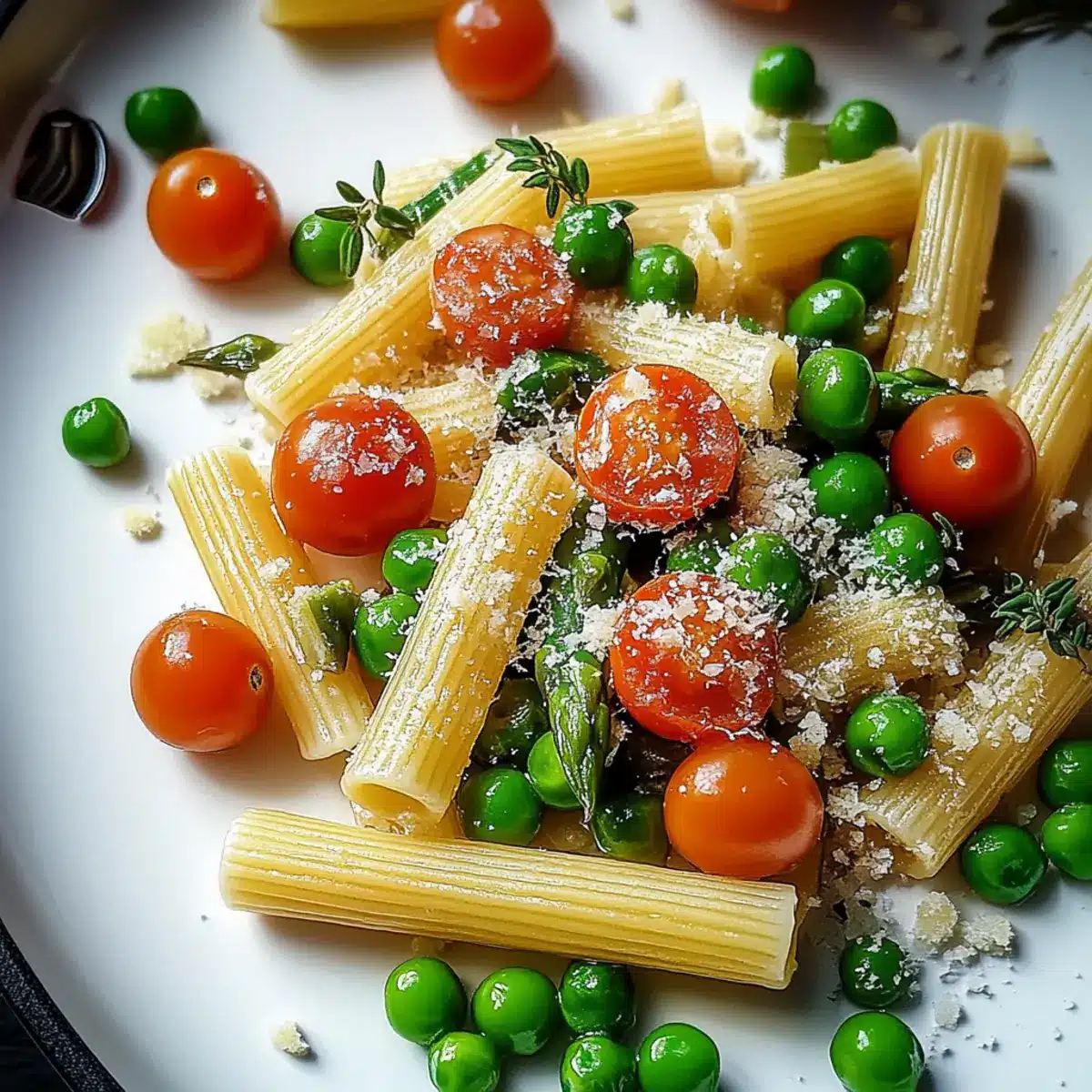
Spring Vegetable Pasta Recipe FAQs
How do I choose the best spring vegetables for this recipe?
Absolutely! Look for vibrant and firm vegetables. Fresh asparagus should be bright green and firm to the touch, while peas should have a sweet aroma and bright color. Zucchini should be glossy and free of dark spots. I recommend visiting your local farmers’ market to select the freshest produce available!
How long can I store leftover Spring Vegetable Pasta in the fridge?
Very! You can keep your Spring Vegetable Pasta in an airtight container for up to 3 days. To ensure the best taste and texture, make sure it’s cooled to room temperature before sealing it up. This way, you can enjoy it as a quick and delicious meal on busy weekdays.
Can I freeze Spring Vegetable Pasta for future meals?
Absolutely! To freeze, let the pasta cool completely, then transfer it to a freezer-safe container. Be sure to consume it within 1-2 months for optimal flavor. When you’re ready to eat, thaw in the fridge overnight, then reheat in a skillet with a splash of broth or olive oil to bring back that lovely texture.
What can I do if my pasta is too mushy?
If your pasta gets mushy, next time, make sure to cook it until just al dente as it will continue to cook when combined with the sauce. If your current batch is already mushy, consider mixing it into a baked dish (like a pasta casserole) where the texture won’t be as noticeable, or try adding in fresh, crunchy vegetables for contrast—this can create a delightful balance in your Spring Vegetable Pasta.
Are there any allergy considerations with this recipe?
Definitely! If you’re serving guests or family members with dietary restrictions, this dish is pretty adaptable. You can easily swap out Parmesan cheese for nutritional yeast for a dairy-free option. Additionally, use gluten-free pasta to accommodate those with gluten allergies. Always check labels when purchasing broths or sauces to ensure they fit any specific dietary needs.
Can I include vegetables other than those listed?
Of course! The more the merrier! Feel free to incorporate other seasonal veggies like bell peppers, broccoli, or even leafy greens like spinach or kale. The beauty of this Spring Vegetable Pasta recipe is its versatility; you can customize it to suit your preferences and what’s available!
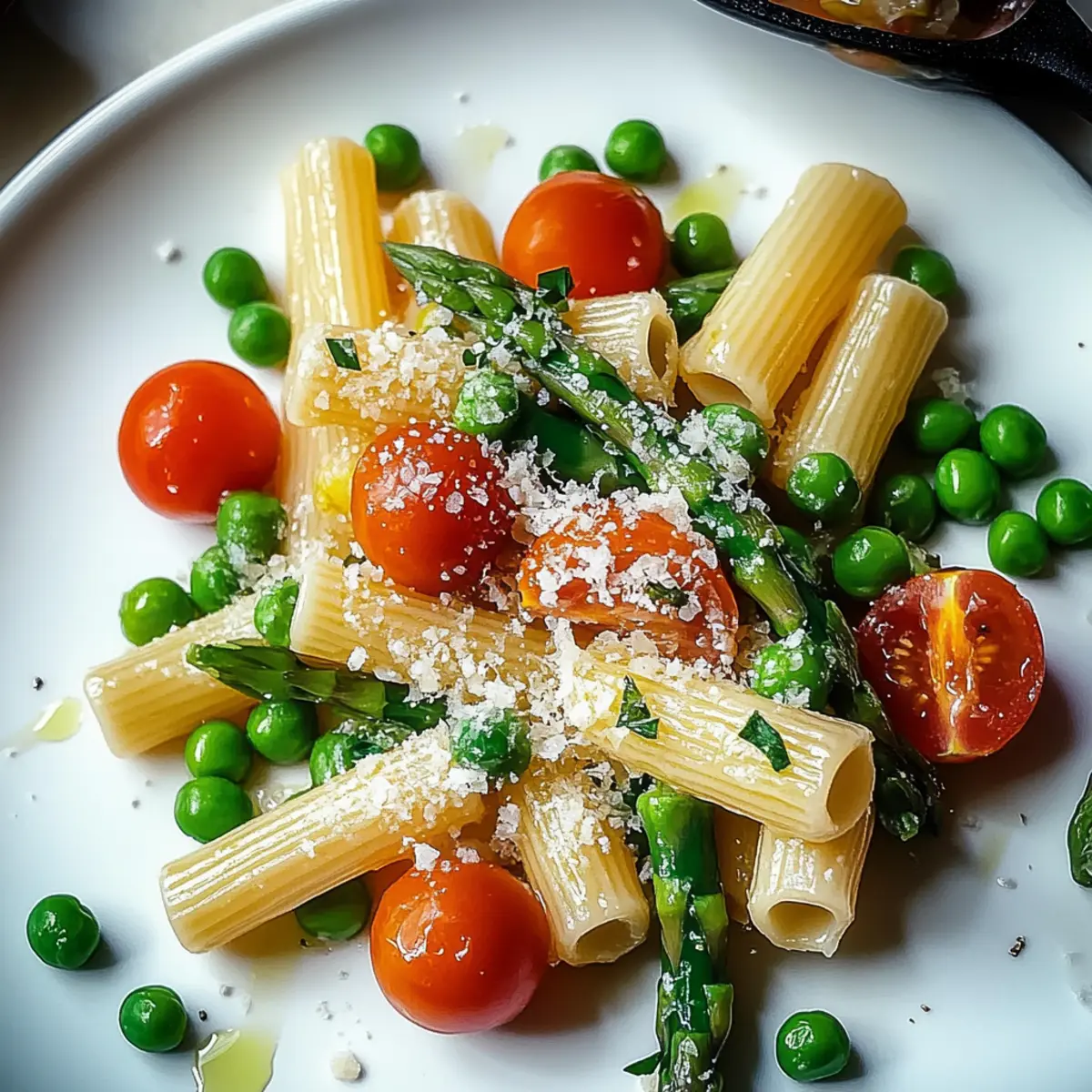
Delicious Spring Vegetable Pasta in Just 40 Minutes
Ingredients
Equipment
Method
- Begin by filling a large pot with water, adding salt, and bringing it to a boil. Cook the pasta according to package instructions, about 8–10 minutes.
- While the pasta is cooking, heat a large skillet over medium heat and drizzle in olive oil. Add the diced onions and sauté for 3–4 minutes until translucent.
- Stir in minced garlic and cook for 30 seconds until fragrant.
- Add the chopped asparagus to the skillet, cooking for 2–3 minutes until slightly tender.
- Mix in the peas and sliced zucchini. Sauté for an additional 3–4 minutes.
- Stir in halved cherry tomatoes and cook for 2 minutes until softened.
- Season the mixture with salt, black pepper, and red pepper flakes.
- Pour in the vegetable broth and simmer for 2–3 minutes.
- Once pasta is al dente, drain it, reserving 1/2 cup of pasta water. Add pasta to skillet and toss with vegetables.
- Mix in chopped basil, grated Parmesan, and lemon juice until well combined.
- Serve warm, garnishing with extra Parmesan and fresh basil.
Leave a Reply